Punchkick
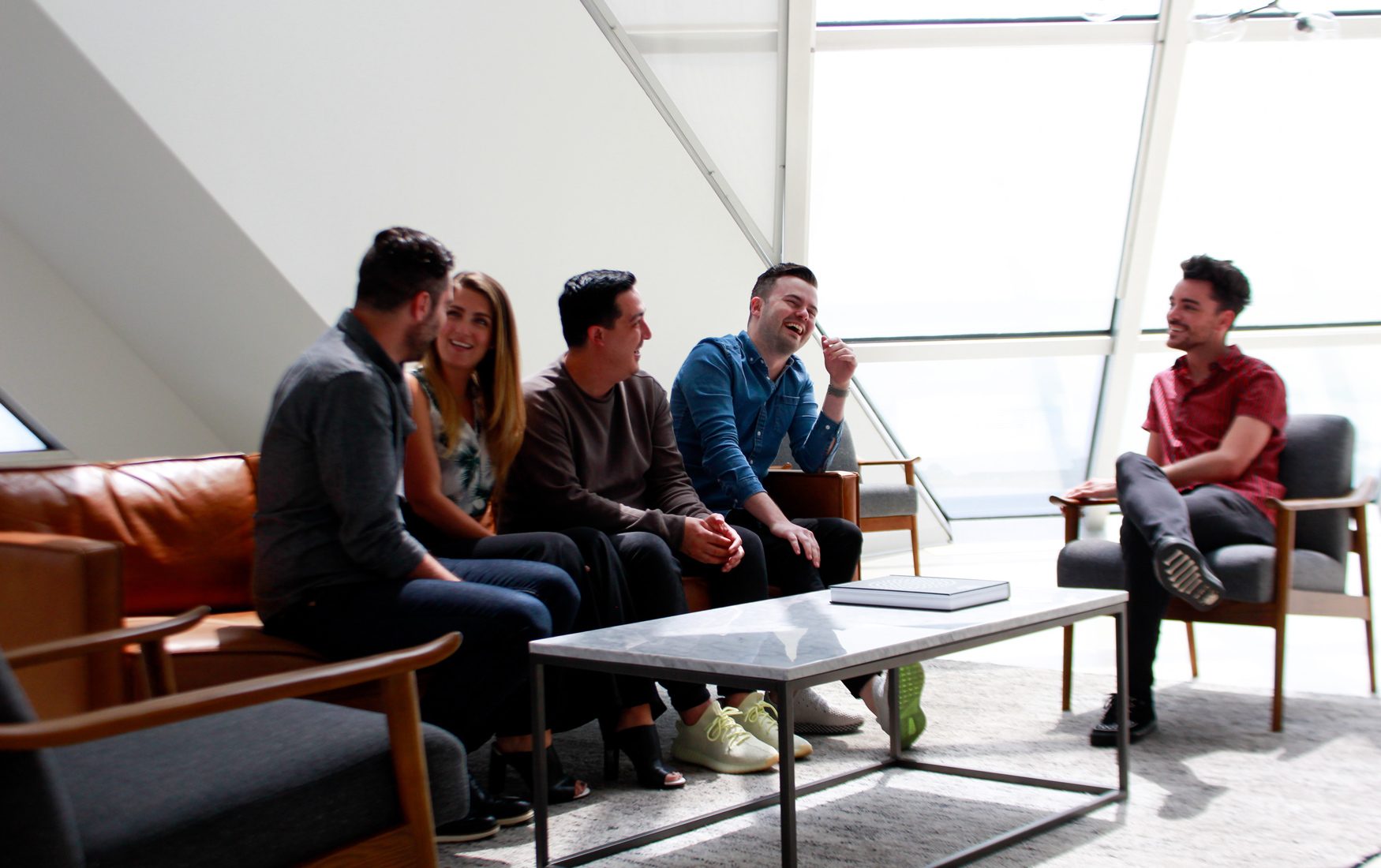
Punchkick is a mobile-focused research, design, and software development product studio based in Chicago. See my experience there in my work history.
From 2014 to 2016, I was the primary writer and editor for its website and blog. We had an aggressive content strategy back then, churning out thinkpieces on the state of the technology industry hoping to drive organic traffic.
While the content was ostensibly intended to drive leads seeking custom mobile software development, given that we were publishing 3–5 posts a week, I was able to also use it as an outlet for my ideas, and in some ways as a continuation of the tech-focused content from earlier blogs.
Most of the pages have been taken down since Punchkick was acquired, but this day, some of my best writing on Apple, software, and technology in general was published on this silly little corner of the web.
Archive
2017
- What to expect at WWDC 2017
- Why watchOS development still makes sense in 2017
- Augmented reality is Apple’s next revolution
- Android Wear 2.0 forces developers to rethink their smartwatch UX
- Accessible design in modern app navigation
2016
- What’s new in Android Nougat
- Android Instant Apps will reinvent mobile software
- Google unifies Android user experience with Pixel
- Designing effective watchOS apps
- Google Assistant will give Android app developers AI superpowers
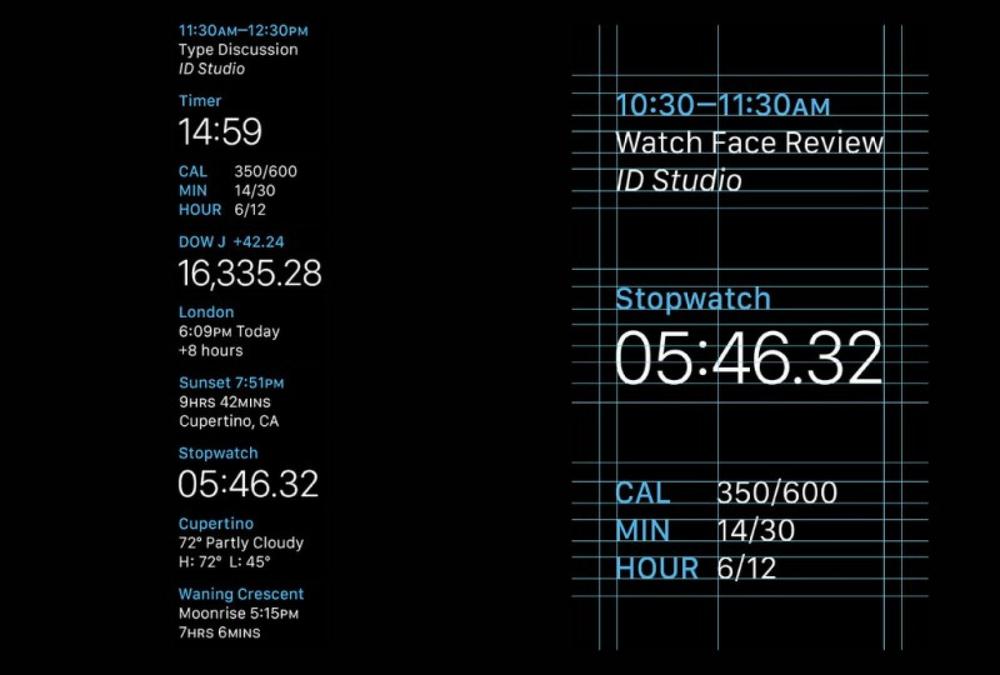
- watchOS gets less complicated with complications & dock
- iPhone 7’s Taptic Engine API helps app developers shake things up
- Getting apps from A to B with Maps SDK
- Widgets in iOS 10 make iPhone feel like Apple Watch
- How apps can use iOS 10’s Messages SDK to join the conversation
- Thinking post-app interactivity with iOS 10 Notifications
- SiriKit gives app developers a voice
- How chatbots factor into the future of mobile UX design
- Designing apps for micro-interactions
- What CareKit means for the patient experience
- Incentive-based design
2015
- Apple TV, home fitness & the future of the workout video
- Google builds its product empire with Nexus and Chromecast
- Enabling quick interactions with 3D Touch on iPhone 6s
- Apple TV invites Siri and the App Store to movie night
- 5 iOS announcements to expect at Apple’s September event
- What to expect at WWDC 2015
- Extend iOS app brand experience to Apple Watch
- Mobile car rentals will transform the travel experience
- Siri on steroids
- Apple Watch Sport unboxing and setup pictures
- Streamlining the traveler journey with mobile apps
- What is OBD—and what does it offer connected car apps?
- What do CarPlay apps and Android Auto apps mean for drivers?
- What makes a car “connected”?
- ResearchKit gives medical researchers new tools to serve patients
- Expectations for Monday’s Apple Watch event
- Layer helps any app integrate a chat feature—instantly
- How Google got photos right
- Everything is mobile now
- Google Now introduces app integrations to connect with audiences in new ways
- Native app development is the ebook’s next frontier
- What the “app unbundling” mobile strategy means for consumer brands
- Snapchat debuts new mobile-first content strategy
- Facebook Lite shows how data impacts mobile-first app design
- Windows 10 changes how marketers think about mobile app development
- You need to care about Microsoft’s Project Spartan
- What Google’s investment in Nest means for brand marketers
- Samsung is betting big on the Internet of Things
- Streaming apps take note: Google Cast now supports audio
2014
- Xiaomi is poised to become larger than Samsung
- Mobile is not enough
- Apps are the new books
- Apple patents system to reorient dropped iPhones in midair
- Microsoft continues mobile streak and acquires Acompli
- WatchKit gives an early glimpse into how Apple Watch works
- Microsoft Band signals Redmond’s next chapter
- Comparing HealthKit & Core Motion
- Lollipop makes Google’s case for unity
- Google redesigns Android, one app at a time
- iTunes is dead, long live iTunes
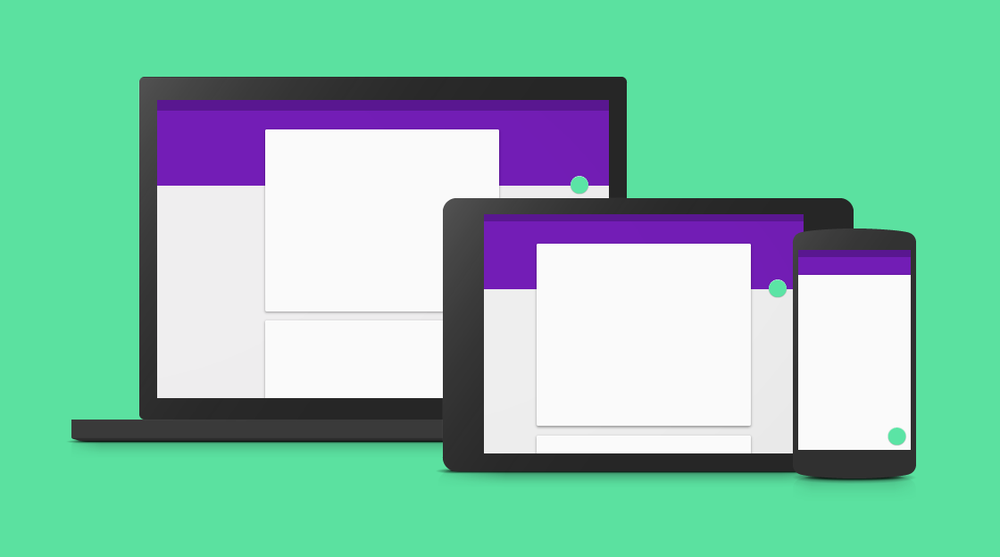
- Material Design wipes the slate clean
- Open the podcast doors: how the podcast renaissance came to be
- Two screens are better than one
- Quantify me: digital products for the quantified self
- PhotoKit helps developers call the shots
- Fitbit expands its fitness footprint with new wearables
- What is CurrentC, and what does it mean for Apple and Google?
- Rooms are Facebook’s volley against Reddit
- Apple thins out and fleshes out its iPad lineup
- Google reinvents email (again) with Inbox
- End of an era: Microsoft phases out Nokia brand
- iMessage evolves beyond the text message
- iPad Air 2 has an “Apple SIM” to let customers use any carrier
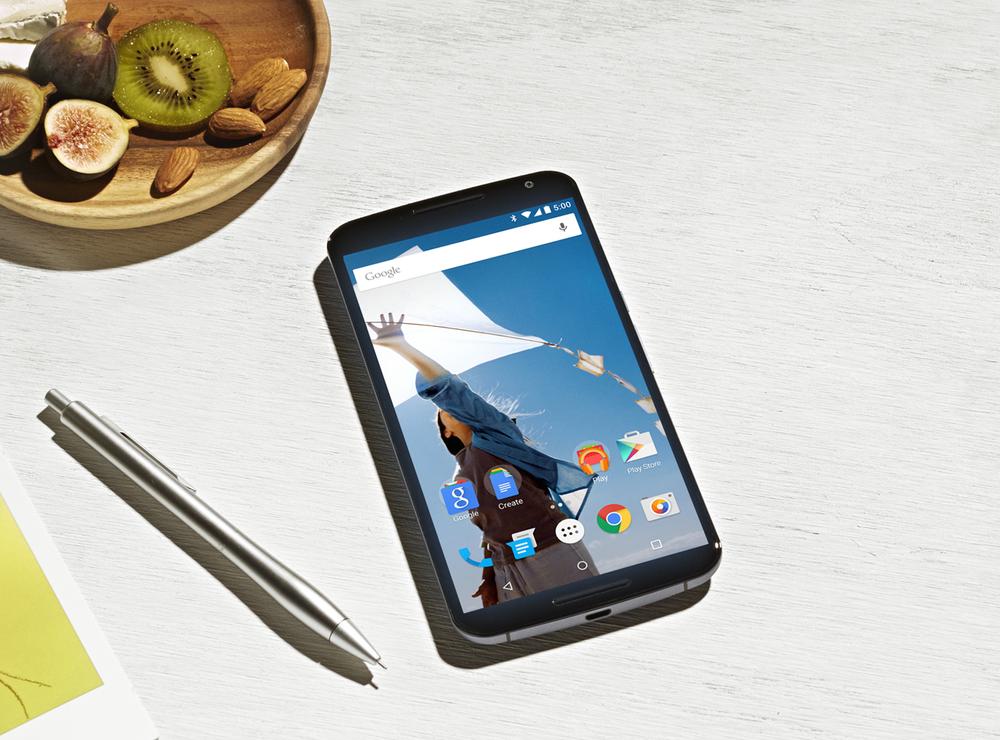
- What’s next from Google: Android L, Nexus 9, and Nexus 6
- Metal takes game development to the next level
- What to expect at Apple’s October event
- Extensibility broadens the horizon for third-party apps
- iCloud Drive demystifies backup
- Apple Watch and the Fitness app want to replace your fitness tracker
- Swift is the language of Apple’s future
- 10 million iPhones prove Apple has learned to multitask
- Say hello to Apple Pay: Apple’s coming for your wallet
- Touch ID gives developers a sixth sense
- Android One connects the next 5 billion smartphone users
- CloudKit makes sense of the cloud
- Apple Pay reinvents shopping—but what will it mean for retailers?
- Google Voice merges with Hangouts for free calls on Android
- HomeKit will define the house of the future
- Motorola stuns with new fleet of Moto gadgets
- Apple aims to reinvent healthcare with HealthKit
- All banking is mobile banking
- Apple Pay and NFC will revolutionize ticketing
- Responsive versus adaptive web design
- Auto/mobile: CarPlay, Android Auto, and the future of the connected car
- What does the retailer of the future look like?
- How print publishers can adapt to mobile
- Wearables will reinvent theme parks, concerts, event venues
- Microsoft reflects on its website’s 20-year history
- What does Foursquare’s two-app strategy mean for mobile?